October 29, 2026
Traditional Cuban Sweets Now Loved in Aurora CO
By @knoxrizi138
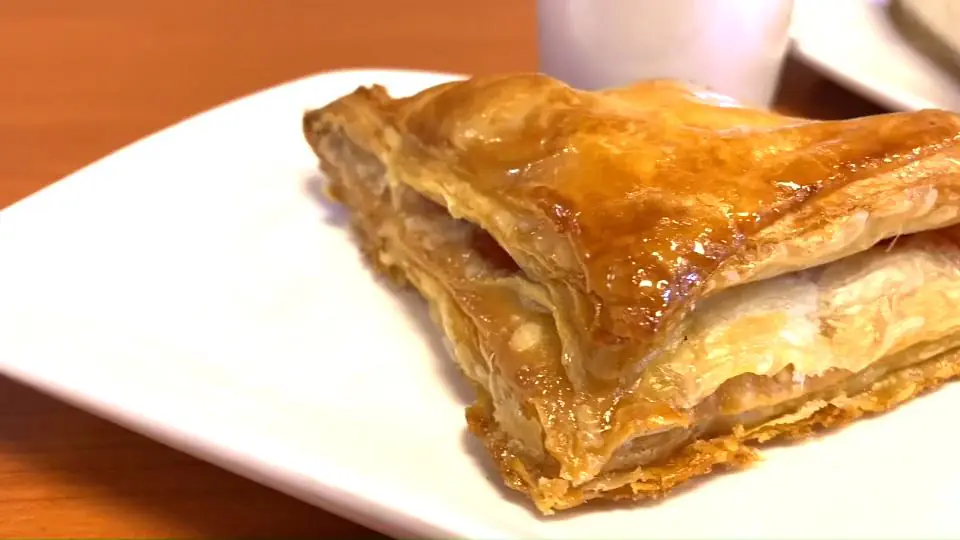
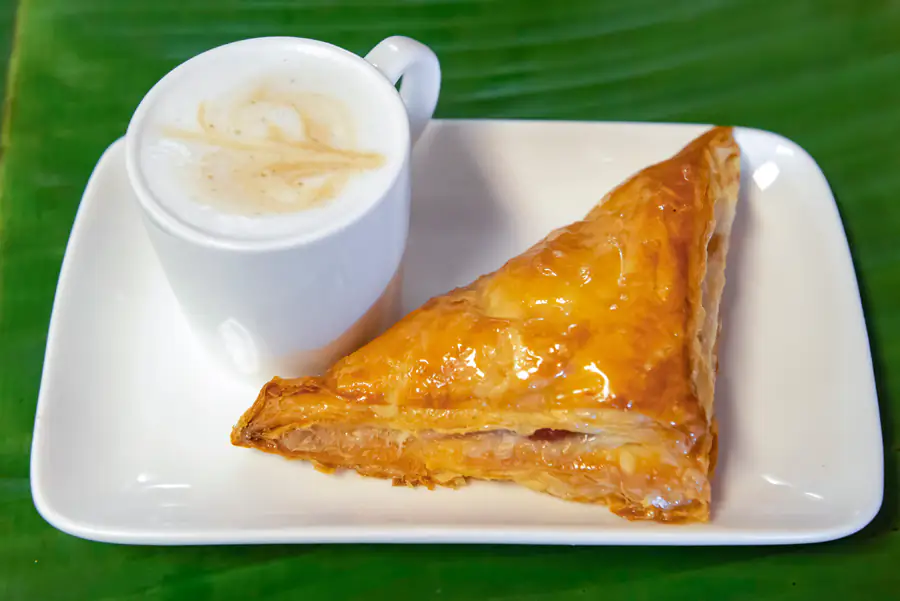
Aurora has always had an appetite for food that carries a story. You can see it in the way families gather around neighborhood bakeries on weekends, in the steady demand for handmade pastries over factory-made desserts, and in the loyalty people show once they find a place that reminds them of home. That is part of why traditional Cuban sweets have found such a warm welcome here. They are generous, aromatic, nostalgic, and deeply tied to everyday life. They do not feel like novelty desserts. They feel lived in.
For anyone searching for a Cuban bakery Aurora CO residents genuinely return to, the appeal usually starts with curiosity and turns into habit. A first visit might be prompted by a recommendation, a celebration, or the smell of guava and warm pastry drifting out the door. The second visit happens because the flavors stay with you. Cuban sweets have that effect. They are often simple at first glance, yet carefully balanced. Sweetness matters, but so do texture, butter, fruit, cream, and timing. The best ones taste comforting rather than flashy.
What has happened in Aurora is not just a food trend. It is a broader embrace of Cuban baking traditions that fit naturally into the rhythms of local life. Morning pastries with coffee, birthday cakes with tropical notes, little boxes of cookies for family gatherings, all of that translates easily across cultures. When the baking is done well, people do not need a long explanation. One bite does the work.
Why Cuban sweets resonate here
Aurora is the kind of city where people appreciate substance. Desserts need to taste fresh, not merely look decorative in a case. Cuban sweets meet that expectation because they come from a bakery culture built on repetition, consistency, and community demand. These are not desserts that exist only for holidays or special tasting menus. In Cuban households and bakeries, many of them are everyday pleasures. That practical, regular quality makes them especially appealing in a place like Aurora, where busy families still make room for small rituals.
There is also something important about familiarity within difference. A puff pastry filled with guava may be new to one customer and deeply familiar to another, but both understand the comfort of fruit, butter, and flaky layers. A slice of tres leches cake can feel instantly recognizable, even when prepared with a Cuban sensibility that leans into richness without becoming heavy. Coconut, caramel, cream cheese, sweetened milk, and tropical fruit are not obscure ingredients. What changes is the proportion, the technique, and the way they come together.
Good bakeries know this. They introduce customers to traditional sweets without treating the food like a museum piece. The result is a bakery case where Cuban classics feel at home in Colorado, especially in a city as diverse and food-curious as Aurora.
The sweets that win people over first
Certain Cuban pastries and desserts tend to become favorites quickly because they strike a balance between accessibility and character. They are distinct, but not intimidating. A customer who walks in for bread or coffee often leaves with one of these in the box.
- Pastelitos de guayaba, flaky pastries filled with guava paste, sometimes paired with cream cheese
- Pastelitos de coco, which bring a deeper sweetness and a softer tropical profile
- Flan, dense and silky, with a clean caramel finish
- Tres leches cake, tender and milk-soaked without collapsing into mush
- Torticas and butter cookies, the sort of humble bakery staples that disappear faster than anyone expects
Each of these tells you something about Cuban baking. Pastelitos show how much attention goes into lamination, bake time, and filling ratio. Flan reveals whether the kitchen understands restraint. It should be rich, yes, but never rubbery or cloying. Tres leches exposes shortcuts immediately. If the cake is too wet, too sweet, or too cold to release flavor, the whole dessert falls flat. Even a simple butter cookie can tell you whether a bakery values texture and consistency.
In Aurora, the standout sweets are often the ones that suit real life. A guava pastry works at breakfast. Flan makes sense after dinner. A decorated cake can anchor a birthday party, but a tray of smaller pastries is just as useful for an office gathering, a baby shower, or a Sunday visit with relatives. That versatility matters more than people realize. Food traditions survive when they fit ordinary occasions.
The quiet brilliance of guava and cream cheese
If there is one combination that introduces many newcomers to Cuban pastry, it is guava with cream cheese. It sounds straightforward, and it is, but the success of the pairing depends on precision. Guava paste brings concentrated sweetness and a floral fruit note that can verge on jammy. Cream cheese cools and rounds it out. Put the two inside a well-made puff pastry and you get contrast in every bite, crisp exterior, soft interior, bright fruit, mellow dairy, and just enough salt to keep the sweetness honest.
A mediocre version tastes one-dimensional. The filling leaks, the pastry goes flat, or the guava overwhelms everything else. A strong version feels balanced from the first bite to the last. You taste layers, not just sugar. That is the kind of detail that converts casual customers into regulars.
In many bakeries, guava pastries become the unofficial gateway sweet. Parents buy a few for the table. Someone brings a box to work. A neighbor picks some up on the way to dinner. Before long, people who had never thought much about Cuban pastry know exactly which one they like, and they start branching out from there.
Cakes that matter at the table
Bakery culture is tested on celebration cakes. Daily pastries build trust, but cakes define reputation. In Cuban baking, cakes often carry an old-school generosity that people in Aurora respond to immediately. They are made to be shared. They are expected to satisfy a crowd. They should look festive, certainly, but they also need to slice cleanly, hold texture, and taste fresh several hours after pickup.
Merengue, whipped toppings, fruit fillings, custard layers, and milk-soaked sponge all have a place in the Cuban dessert tradition. What separates a strong bakery from a weak one is not complexity for its own sake. It is control. Too much syrup and the crumb breaks down. Too much frosting and every slice tastes the same. Too much refrigeration and the flavors mute. Bakers with experience understand that cakes for a family party in Aurora need to survive transport, room temperature, and eager serving hands without losing their structure.
That practicality is part of the charm. These are not precious desserts. They are meant to be cut, passed around, praised, and finished. A really good Cuban-style cake often leaves almost no leftovers, which is the most honest compliment any bakery can earn.
Flan is harder than it looks
People sometimes speak about flan as if it were a basic dessert. In technique, it is anything but basic. The ingredient list is short, which means every error stands out. The custard has to set evenly. The caramel must be taken far enough to develop flavor but not so far that it tastes bitter. The texture should be smooth and close, with enough body to hold shape and enough tenderness to melt without effort.
That level of consistency is difficult in a busy bakery environment. Ovens vary. Water baths need attention. Cooling time matters. Unmolding matters. Even portioning affects how the dessert is perceived. A flan that is too large can feel heavy. One that is too small can feel stingy. These details sound minor until you eat side by side comparisons. Then the difference is obvious.
When Aurora customers become attached to a bakery’s flan, they are responding to that discipline, whether they name it or not. They know it tastes right. It is rich but not exhausting. Sweet but not sharp. Smooth without turning gelatinous. Traditional desserts endure because they reward craft, and flan is one of the clearest examples.
The bakery counter as a cultural bridge
One of the best things about Cuban sweets in Aurora is how naturally they bring people together across backgrounds. At the pastry case, explanations happen casually. Someone asks what a pastelito is. Another customer says, “Try the guava and cheese.” A child points at a glossy custard. A grandparent recognizes a dessert from decades ago. These moments matter. They are how food culture travels honestly.
A bakery is often one of the least formal places to encounter another tradition. You do not need a special reservation, a glossary, or a long commitment. You can start with one pastry and a coffee. If the bakery is doing its job well, the food opens the door. The conversation follows on its own.
That dynamic has helped Cuban sweets take root in Aurora. The city already values culinary diversity, but acceptance deepens when the food fits daily routines. Cuban pastries are easy to bring home, easy to share, and easy to crave again. That is why they move beyond niche appeal. They become part of the neighborhood food landscape.
What quality looks like in a Cuban bakery
Not every bakery that offers Cuban sweets treats them with the same care. Customers can tell more than they think. Freshness is the first signal, but not the only one. Good bakeries protect texture, rotate inventory sensibly, and avoid overloading the case with items that sit too long. Pastries should look alive, not tired. Fillings should be generous but contained. Cakes should appear finished, not overworked.
There are a few practical signs that usually indicate a bakery takes its craft seriously.
- The pastry shell stays crisp rather than softening from excess moisture
- Fillings taste distinct instead of blending into pure sweetness
- Cakes hold structure at serving temperature
- Staff can explain what is in a pastry without guessing
- Popular items are replenished often, which usually means they move quickly
Experience also shows up in restraint. Strong bakers know that nostalgia and quality are not always the same thing. Some traditional sweets can be adjusted slightly for local preferences or ingredient availability without losing their identity. Others should be left alone. Judgment matters. A bakery that understands the difference earns trust across generations, from customers looking for the taste they grew up with to first-timers who simply want something excellent.
Cuban coffee and sweets, an inseparable pairing
It is almost impossible to talk about Cuban pastries without talking about coffee. The partnership https://remingtonngiw838.greyhavendaily.com/posts/cuban-bakery-aurora-co-enjoy-every-bite-of-tradition is practical and cultural. Cuban sweets are often designed around coffee breaks, morning routines, and conversation at the table. A small sweet pastry with a strong, dark coffee makes sense in a way that few oversized desserts do. The pairing sharpens flavors and keeps sweetness in check.
In Aurora, this matters because bakery visits are often woven into the day rather than reserved for major events. Someone stops in before work. A family picks up pastries after church. Friends meet for cafecito and something flaky in the afternoon. Cuban sweets thrive in those moments because they are social food. They invite pausing without demanding a full occasion.
A good coffee program also supports the pastries instead of competing with them. Strong espresso, properly sweetened Cuban coffee, or even a simple black cup can bring out butter, fruit, caramel, and spice notes that might seem muted on their own. When a bakery understands this relationship, the entire experience becomes more coherent.
Why these desserts work so well in Colorado
At first glance, tropical flavors and a Colorado city might seem like an unlikely match. In practice, the fit is strong. Colorado diners often appreciate bold flavor and straightforward craftsmanship. Cuban sweets offer both. They are expressive without being fussy. They can brighten cold weather with fruit and caramel, and they can suit warm months with lighter pastries and chilled custards.
There is also a practical side. Many traditional Cuban sweets travel well compared with more fragile plated desserts. That suits a community where people often pick up treats for home gatherings, school functions, office celebrations, or family events across town. A bakery box of pastelitos or a properly packed flan is easier to integrate into real life than a dessert that has to be eaten the minute it is served.
Aurora’s multicultural population helps too. In cities where people already move comfortably among different food traditions, adoption happens faster. A customer who loves Mexican pan dulce, Middle Eastern pastries, or French-style cakes is often open to Cuban sweets because the pleasure is recognizable even when the flavor profile changes.
The emotional pull of traditional baking
The technical side matters, but emotion is what keeps these sweets relevant. Traditional bakery items carry memory in a way few foods do. The smell of warm puff pastry, the sticky edge of caramel on a plate, the sight of a decorated cake in a family refrigerator, these details lodge deep. For Cuban families in Aurora, a good bakery can preserve connection. For everyone else, it can create new rituals that feel meaningful surprisingly fast.
That is one reason people become particular about where they buy these desserts. They are not only purchasing sugar and flour. They are buying reliability for birthdays, comfort after hard weeks, and something generous to put on the table when company comes over. The best bakeries understand that their work enters people’s homes at important moments. They bake accordingly.
You can feel the difference in places that take that responsibility seriously. The pastries are not treated like props. Staff members know which items sell out first and which cakes customers reorder year after year. There is often a rhythm to the day, morning pastry rush, midday coffee traffic, pre-party cake pickups, that tells you the bakery is woven into the life of the neighborhood.
Choosing what to try first if you are new
People who are new to Cuban sweets sometimes overthink the first order. They do not need to. Start with one item that highlights pastry, one that highlights custard or cream, and one that showcases cake. That gives a quick sense of the bakery’s range and standards. If the pastry is flaky, the custard is smooth, and the cake is balanced, you are probably in good hands.
A practical first visit might include a guava pastry, a slice of flan, and a portion of tres leches. That combination covers texture, fruit, caramel, dairy, and crumb. It also reveals whether the bakery understands sweetness with restraint, which is the difference between a dessert you admire once and one you return for often.
After that, it becomes personal. Some customers become devoted to guava and cheese pastries. Others want coconut, meringue, custard, or butter cookies they can eat with coffee all week. The point is not to chase novelty. It is to find the sweets that fit your own table.
How Cuban sweets became part of Aurora’s food identity
When a dessert tradition enters a city and stays, it usually does so quietly. Not through fanfare, but through repetition. People bring pastries to work and get asked where they bought them. Families order the same cake for a second birthday, then a graduation. Neighbors stop by for coffee and leave with a new favorite. Over time, those small acts build a local food identity.
That is what has happened with traditional Cuban sweets in Aurora. They have moved from discovery to familiarity. They serve a community that already knew and loved them, while also winning over customers who simply recognize quality when they taste it. The city is better for that exchange. Its bakery scene becomes richer, its celebrations become more varied, and its residents gain another set of flavors tied to memory and craft.
For anyone exploring the local dessert landscape, a well-run Cuban bakery Aurora CO customers trust offers more than a sweet bite. It offers a form of hospitality that feels both specific and open. The pastries are rooted in tradition, but they meet people where they are, at the breakfast table, at the office, at a birthday party, or on an ordinary afternoon when something warm and flaky sounds exactly right.
That is how traditional sweets earn lasting affection. Not by demanding attention, but by deserving it.
Cuba Bakery & Café
15028 E Mississippi Ave, Aurora, CO 80012
+1 303-752-2822
FAQ About Cuban bakery Aurora CO
What are Cuban pastries called?
Many small Cuban pastries are called pastelitos. They can have sweet or savory fillings, such as guava, cheese, guava and cheese, or seasoned meat. Cuba Bakery & Café lists guava, cheese, guava-and-cheese and beef pastries on its menu. Ask the bakery about current availability and ingredients when ordering.
What are traditional Cuban pastries?
Common Cuban bakery choices include flaky pastelitos filled with guava, cheese or meat. Cuban bakeries may also offer empanadas, breads and desserts alongside coffee. Cuba Bakery & Café lists pastelitos, several empanada fillings, pan Cubano and desserts such as tres leches and bread pudding. Selection can vary, so confirm the day's choices with the bakery.
What makes Cuban bread different?
Cuban bread is known for its light interior and a thin crust that becomes crisp when toasted or pressed. Traditional recipes often use lard, although ingredients vary by baker. It is commonly served as buttered toast or used for Cuban sandwiches. Cuba Bakery & Café lists pan Cubano and tostada on its menu; ask staff about the ingredients in their bread if you have dietary restrictions.
❧